
An email list is one of the most valuable things you can build as an affiliate marketer. You own it, and no algorithm can take it away.
The steady way to grow one is useful, consistent content that keeps people coming back. In this guide, I share the steps I teach.
In this ultimate step-by-step guide, we’re diving deep into everything you need to know about building an email list for affiliate marketing. From creating irresistible lead magnets to crafting engaging email sequences, we’ve got it all covered.
Want an AI team to help run your business? Meet AIM Agent, an AI Chief of Staff for business owners. I am a co-founder of AIM Agent and have a financial interest in the product.
Want a done-for-you affiliate system? Try the free GHL Clone.
The GHL Clone is a free, done-for-you affiliate system I spent 11 months building. You copy it in about 5 minutes, add your own affiliate link and share it. There is no website to build and no emails to write.
When people sign up through your link, you earn a commission. How much you earn depends on your own work, so I cannot promise any income.
The system is free, but it unlocks when you start a free trial of GoHighLevel, the software it runs on, through my link.
Disclosure: the GHL Clone is my own system, and I earn a commission if you later pay for GoHighLevel.
Why an Email List Is Crucial for Your Business
Why is email marketing so important, and why should you focus on building an email list no matter what business you’re in?
Whether you’re an affiliate marketer, have your own coaching or consulting business, run an e-commerce store, or operate a brick-and-mortar business, you need to build your email list.
Here’s why it’s absolutely essential:
Direct Communication: Unlike social media, where algorithms dictate who sees your content, emails land directly in your subscribers’ inboxes. This means you have a direct line of communication for sharing updates, promotions, and building personal relationships with your audience.
High ROI: Email marketing offers an impressive ROI of $36 for every $1 spent, far outshining paid social media marketing’s $2.80 per dollar spent. While social media has its merits, email marketing is essential for maximizing your marketing potential and boosting your bottom line.
Targeted Outreach: An email list allows you to segment your audience based on preferences, demographics, or purchase history. This means you can tailor your messages to specific groups, ensuring that your content is relevant and engaging, which leads to higher conversions.
Building Trust: Regularly sending valuable emails helps nurture relationships with both potential and existing customers. By sharing informative content, exclusive offers, and behind-the-scenes insights, you build trust and loyalty, turning subscribers into long-term customers.
Owning Your Audience: Social media platforms can change their algorithms or policies at any moment, impacting your reach. An email list, however, is entirely yours. You control the access to your audience, ensuring that your communication is consistent and reliable.
Now let’s get into the steps on how you can grow your email list. Not the reading type? Then watch my step-by-step tutorial instead:
Step 1: Create a Valuable Lead Magnet
Now that you understand the importance of an email list, let’s talk about the magic that gets people to sign up: the lead magnet.
A lead magnet is an irresistible freebie you offer to your audience in exchange for their email address. The key here is “irresistible.”
Your lead magnet needs to be so valuable that people can’t help but hand over their email to get it. Why is this so crucial? Because a high-quality lead magnet is the gateway to your email list.
It’s your chance to make a great first impression and provide immediate value. The more compelling your lead magnet, the more subscribers you’ll attract.
Why I Use a Free Course as My Lead Magnet
Common lead magnets are eBooks and checklists. These have been around forever, and while they can still be effective, they often don’t pack the same punch they used to.
Why? Because people are inundated with eBooks, and many of them end up collecting digital dust.
I swear by offering free courses. A free course provides tangible value right off the bat. It’s interactive, engaging, and demonstrates your expertise.
I explain more in this clip:
When people see the quality and depth of your free course, they’re much more likely to trust you and stay engaged,
So, what makes a lead magnet truly effective? It should:
Solve a specific problem or fulfill a need.
Be easy to consume and actionable.
Showcase your expertise and provide real value.
Ready to create your irresistible lead magnet? Check out my guide on creating content for lead magnets.
Step 2: Set Up Your Email Capture System
Now that you’ve got your irresistible lead magnet ready to go, it’s time to set up your email capture system. This is where the magic happens, where you turn visitors into subscribers.
Let’s look at the things you need to set up:
Opt-in Forms
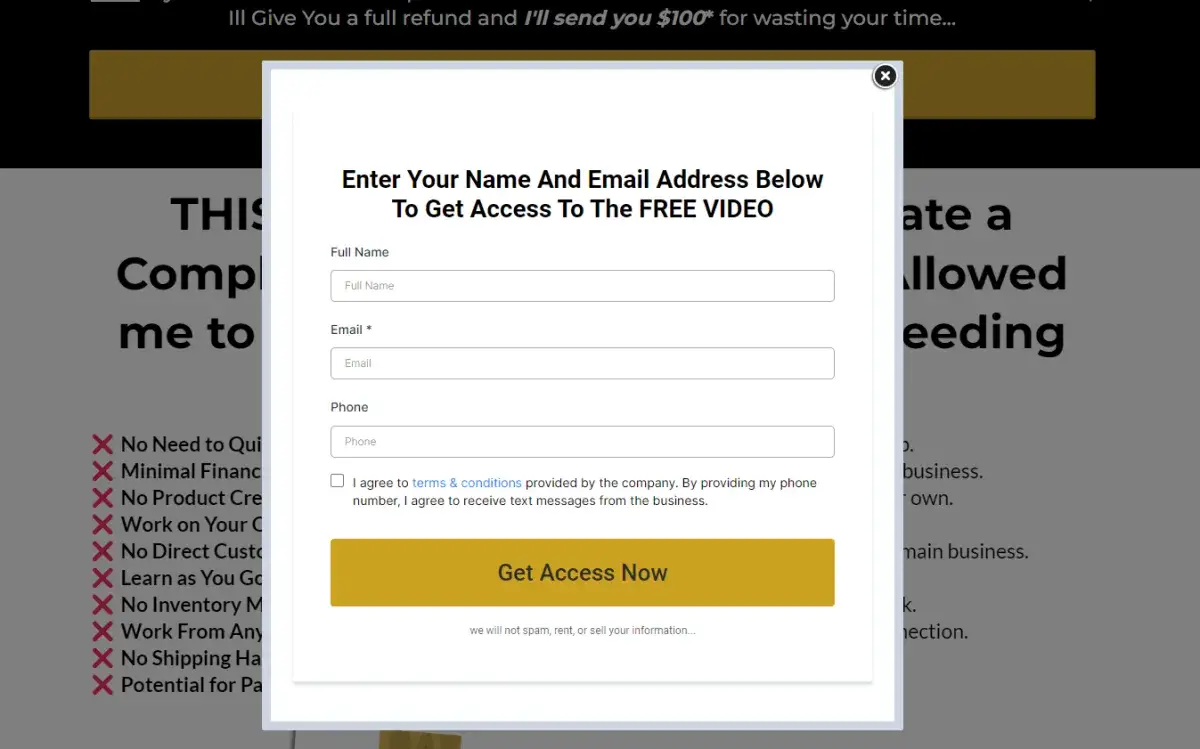
Opt-in forms are the gateways to your email list. These forms are where visitors enter their email addresses to receive your lead magnet. Here’s how to make the most of them:
Placement: Strategically place opt-in forms on high-traffic areas of your website, such as your homepage, blog posts, and anywhere you offer valuable content. Ensure they are easy to spot and simple to fill out.
Design: Keep the design clean and appealing. Use eye-catching colors and clear fonts. The form should stand out but not be intrusive.
Message: Be clear and concise. Let visitors know exactly what they’re signing up for and the benefits they’ll receive.
Landing Pages
A landing page is a standalone page designed specifically to promote your lead magnet. This page should be laser-focused on converting visitors into subscribers.
Here’s how to create an effective landing page:
Clear Headline: Your headline should immediately grab attention and convey the value of your lead magnet. For example, “Unlock Your Free 7-Part Affiliate Marketing Course Today!”
Engaging Visuals: Use high-quality images or videos to make your landing page visually appealing. Visuals can help convey the benefits of your lead magnet more effectively.
Focused Content: Keep the content focused and concise. Highlight the key benefits and make it easy for visitors to understand what they’re getting.
Strong CTA: Your call-to-action (CTA) is crucial. Make it compelling and action-oriented. Use phrases like “Get Instant Access Now” or “Download Your Free Guide.”
Creating a Compelling Call-to-Action (CTA)
Your CTA is the final push that convinces visitors to give you their email addresses. It needs to be powerful and promise value. Here’s how you can craft a killer CTA:
Be Clear and Direct: Tell your visitors exactly what they’re getting and what they need to do. Use action-oriented language like “Download Now,” “Get Instant Access,” or “Sign Up for Free.”
Highlight the Benefit: Explain the value they’ll receive by signing up. Instead of just saying “Sign Up for Our Newsletter,” try something like “Get Exclusive Tips and Tricks to Skyrocket Your Affiliate Marketing Success.”
Create Urgency: Encourage immediate action by adding a sense of urgency. Phrases like “Limited Time Offer” or “Join Now and Get a Free Bonus” can push visitors to act quickly.
For example, when I offer my free course on affiliate marketing, my CTA isn’t just “Sign Up.”
It’s “Join Now to Get Instant Access to My Free 7-Part Affiliate Marketing Course and Start Building Your Online Empire Today!” This clearly states the benefit and encourages immediate action.
No experience with landing pages? You can use AI to create your landing page for free under 20 minutes! Watch me do it:
Integrate with Your Email Marketing Platform
Once you’ve set up your opt-in forms and landing pages, make sure they’re integrated with your email marketing platform. This ensures that when someone signs up, their email address is automatically added to your list, and they receive your lead magnet instantly.
Popular platforms like Mailchimp, ConvertKit, and GetResponse make this integration seamless. Choose the one that fits your needs and budget, and follow their setup guides to get everything connected.
Step 3: Drive Traffic to Your Lead Magnet
Now that your email capture system is set up with compelling opt-in forms and landing pages, it’s time to drive traffic to your lead magnet. The more traffic you get, the more subscribers you’ll capture.
Here’s a quick overview of where you can get organic traffic. Check out my post on the top free traffic sources to get a detailed guide for each platform.
YouTube
YouTube is a fantastic platform for driving traffic to your lead magnet. It’s a search engine in its own right, which means your content can be discovered by people actively looking for the information you provide.
Here’s how you can leverage YouTube:
Create Valuable Content: Make videos that address your audience’s pain points and provide solutions. Think tutorials, how-tos, and insightful tips that demonstrate your expertise.
Include CTAs in Your Videos: At the end of each video, include a call-to-action directing viewers to your lead magnet. For example, “If you found this video helpful, be sure to download my free 7-Part Affiliate Marketing Course. The link is in the description!”
Optimize for SEO: Use keywords in your video titles, descriptions, and tags to improve your search rankings. This helps your videos get discovered by people searching for relevant topics.
I show you how to create YouTube videos for free traffic in the tutorial below:
TikTok
TikTok is all about short, engaging videos that can quickly capture attention. Being successful on TikTok can help you make money on the side. If you follow my strategy, I can assure you that it will be a good source of income.
Here’s how to use TikTok to drive traffic:
Create Engaging Short Videos: Focus on creating fun, informative, and eye-catching short videos. Show snippets of your expertise and give viewers a taste of the value you offer.
Use Hashtags and Trends: Leverage popular hashtags and participate in trending challenges to increase your visibility.
Direct Traffic to YouTube or Landing Pages: In your TikTok bio, include a link to your YouTube channel or a landing page with your lead magnet. You can also use TikTok’s call-to-action features to direct viewers.
Check out my full tutorial on using TikTok for affiliate marketing:
You might be thinking that Instagram is mostly just for pictures, but that’s where people get it wrong. Instagram has a feature called Instagram Reels, and it’s now one of the top competitors of YouTube Shorts and TikTok.
Here’s how you can take advantage of Instagram:
Post Regularly: Share valuable content consistently through posts, stories, and reels. Mix in educational content, behind-the-scenes looks, and personal stories to keep your audience engaged.
Use Link in Bio: Use the link in your bio to direct followers to your lead magnet. Mention this link in your posts and stories to drive traffic.
Engage with Your Audience: Respond to comments, engage with followers, and use Instagram’s interactive features like polls and Q&A to build a relationship with your audience.
New to Instagram? No problem! I’ll show you how to make money using the platform without followers:
Step 4: Segment Your Email List
You’ve driven traffic to your lead magnet, and now subscribers are rolling in. Awesome!
The next crucial step is to segment your email list. This will ensure you’re sending the right messages to the right people, maximizing engagement and conversions.
Initial Setup of Your Email List
You need to set up your email list in your chosen email marketing platform. Whether you’re using Mailchimp, ConvertKit, or another service, the process is generally straightforward:
Create Your List: Start by creating a new list specifically for your affiliate marketing efforts. This will help you keep everything organized from the get-go.
Set Up Welcome Emails: Create an automated welcome email that subscribers receive immediately after signing up. This email should thank them for joining, deliver the lead magnet, and give them a brief overview of what to expect from your future emails.
Customize Your Preferences: Tailor the settings to match your brand’s voice and style. This includes choosing your “from” name and email address, which should be consistent and recognizable.
Importance of Segmentation
Now, let’s talk about segmentation. Segmenting your email list means dividing it into smaller groups based on specific criteria.
This allows you to send highly targeted and relevant content to each group, which significantly boosts engagement and conversion rates.
Why Segment?
Not all subscribers are the same. Some might be new to the market you’re in, while others could be seasoned pros looking for advanced services or products.
By segmenting your list, you can tailor your messages to address the unique needs and interests of each group.
How to Segment
Common ways to segment your email list include:
Demographics: Age, gender, location, etc.
Behavior: Purchase history, website activity, engagement levels.
Interests: Specific topics or types of content they’ve shown interest in.
For example, if you’re an affiliate trying to sell a coaching program in the fitness niche, you might have a segment for beginners who downloaded your “Fitness Starter Guide” and another segment for advanced users who signed up for your “Elite Fitness Coaching Webinar.”
Putting It All Together
Once you’ve segmented your list and understood your audience’s journey and pain points, it’s time to tailor your email content:
Personalized Content: Send personalized emails that address the specific needs and interests of each segment. Use merge tags to include the subscriber’s name and other personalized details.
Relevant Offers: Promote products and services that are relevant to each segment. For example, beginners might appreciate entry-level tools, while advanced users might be interested in premium software.
Track and Adjust: Monitor the performance of your segmented campaigns. Use metrics like open rates, click-through rates, and conversions to see what’s working and what isn’t. Adjust your strategy accordingly to continuously improve your results.
By building and segmenting your email list, you’re setting yourself up for success. This targeted approach ensures your subscribers receive the most relevant and valuable content, keeping them engaged and driving them towards taking action.
Step 5: Create an Effective Email Sequence
Now that you’ve built and segmented your email list, it’s time to engage your subscribers with an effective email sequence. This sequence will guide them from initial interest to becoming loyal customers.
Get a deep dive into my email sequence framework in his video:
My Email Sequence Framework: Offer, Value, YouTube Video
My email sequence follows a simple yet powerful framework: Offer, Value, YouTube Video. Here’s how it works:
Offer: Start with an email that introduces a product or service. This could be your coaching program, a fitness course, or a special promotion. The goal here is to present an offer that aligns with your subscriber’s interests and needs.
Value: Follow up with an email that provides pure value. This email should offer tips, insights, or useful information without asking for anything in return. It’s all about building trust and showing your expertise.
YouTube Video: The third email directs subscribers to a YouTube video. This video could be a tutorial, a success story, or a behind-the-scenes look at your coaching program. Videos are a great way to build a deeper connection with your audience and keep them engaged.
Importance of Alternating Between Promotional and Value Emails
Alternating between promotional and value emails is crucial for maintaining a healthy relationship with your subscribers. Here’s why:
Builds Trust: By regularly providing valuable content, you show that you care about your subscribers’ success, not just about selling them something.
Keeps Engagement High: Constantly bombarding your audience with promotional emails can lead to fatigue and increased unsubscribes. Mixing in value emails keeps them interested and looking forward to your messages.
Enhances Credibility: Sharing your knowledge and experiences positions you as an expert in your field. This makes your audience more likely to trust your recommendations when you do make an offer.
Examples of Different Types of Value Emails
Let’s look at some examples of value emails you can incorporate into your sequence:
Stories: Share personal stories or success stories from your clients. For instance, you could write about a client who achieved their fitness goals using your coaching program. Personal stories are relatable and inspire your readers.
Tips: Provide actionable fitness tips that your subscribers can implement right away. For example, “5 Quick Workouts You Can Do at Home” or “How to Stay Motivated During Your Fitness Journey.”
Personal Experiences: Talk about your own fitness journey, challenges you’ve faced, and how you overcame them. This helps humanize your brand and makes you more relatable.
Educational Content: Offer in-depth articles or guides on topics relevant to your audience. For example, “The Science Behind Effective Weight Loss” or “How to Build Muscle Safely.”
Behind-the-Scenes: Give a glimpse into your life or your coaching program. Show behind-the-scenes footage of how you prepare your workouts or how you support your clients.
By alternating between these types of value emails and your promotional emails, you’ll keep your audience engaged and eager to hear from you.
This balanced approach ensures that your subscribers see you as a valuable resource, making them more likely to take action when you present an offer.
A Done-For-You Option: The Free GHL Clone
Remember, building an email list takes time and effort, but the long-term benefits are worth it.
So, what’s next? It’s time to take action! Start by implementing each step of this guide, and watch as your email list grows.
Want to jumpstart your affiliate marketing even if you don’t have an email list or social media following?
Try the free GHL Clone. It is a done-for-you affiliate system you copy in about 5 minutes. It unlocks with a free trial of GoHighLevel, the software it runs on, through my link.
Disclosure: I earn a commission if you later pay for GoHighLevel.
About the Author

Jonathan Montoya is a former electrical engineer, husband, dad, and man of faith. He started building online in May 2019, left engineering in March 2020, and has built 3 seven-figure businesses. Today he teaches regular people how to use AI to build a business.
Frequently asked questions
How do I start an email list from zero?
Create a simple free resource, set up a landing page and email tool, and share the page in your content.
Can I send affiliate links by email?
Yes, as long as you follow the program's rules, disclose affiliate links, and avoid spam.
What should my first emails say?
Welcome new subscribers, deliver what you promised, and share helpful tips before you recommend products.
