Clear guides for building with AI.
Step by step help with AI services, tools, content and traffic. Written for beginners.
Start an AI service business
Step by step guides for your first AI service, from picking a service to pricing and testing.
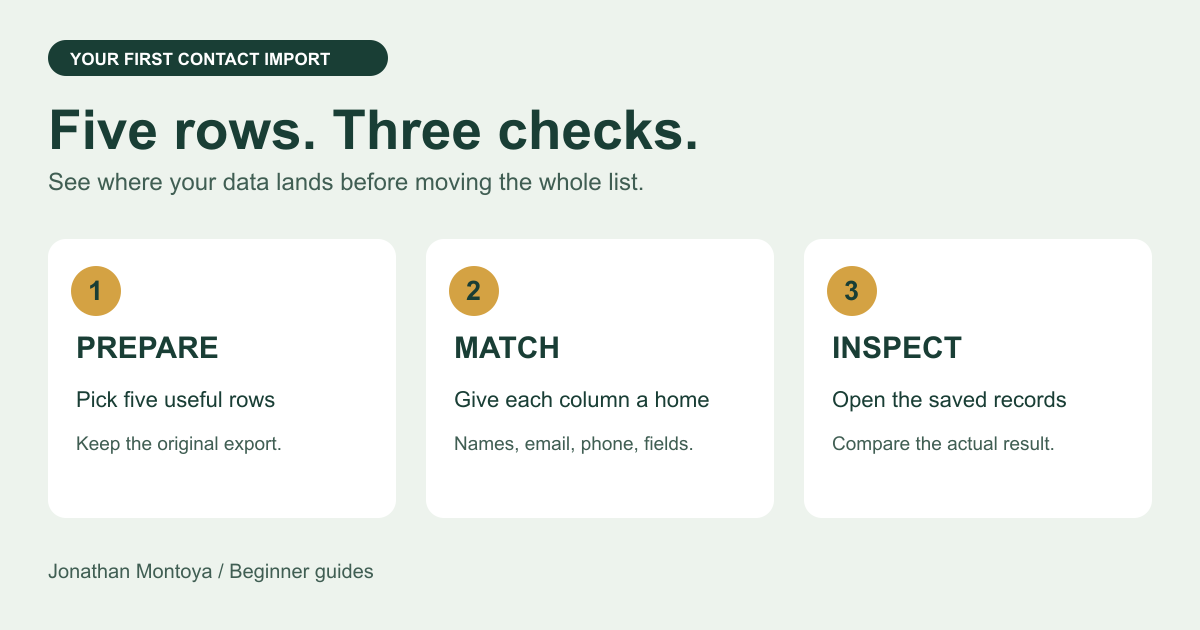
Import Contacts into GoHighLevel: Start With Five Rows
Move your contact list without guessing where each field will land. This beginner guide walks through a five-row CSV rehearsal, a clear column map, existing-record checks and a downloadable inspection sheet.
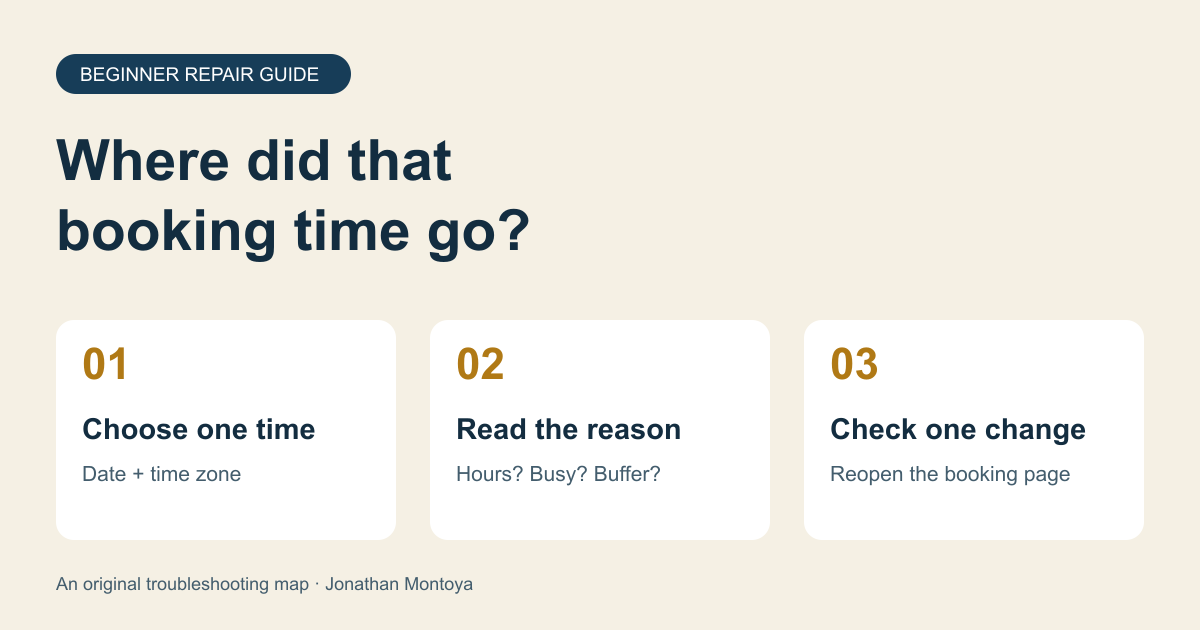
HighLevel Calendar Showing No Available Slots? Check One Time First
An empty booking page does not tell you what went wrong. This guide helps you trace one missing appointment time, understand the actual reason, and check a small change without dismantling the calendar. Includes a printable troubleshooting worksheet.

How to Start an AI Service Business With No Experience
You do not have to invent an AI tool to sell a useful service. Start with one local business problem, build a small example, and show an owner how it works. This eight-step roadmap covers what to offer, what it costs, finding businesses, pricing, and looking after the service.

HighLevel Form Submitted, but No Email? Trace One Missing Message
A form submission and an arriving email are different steps. Identify the owner alert, submitter reply or workflow message, follow one contact through the evidence, and check the first missing step. Includes a fictional worked example, route chooser and editable worksheet for a useful support handoff.
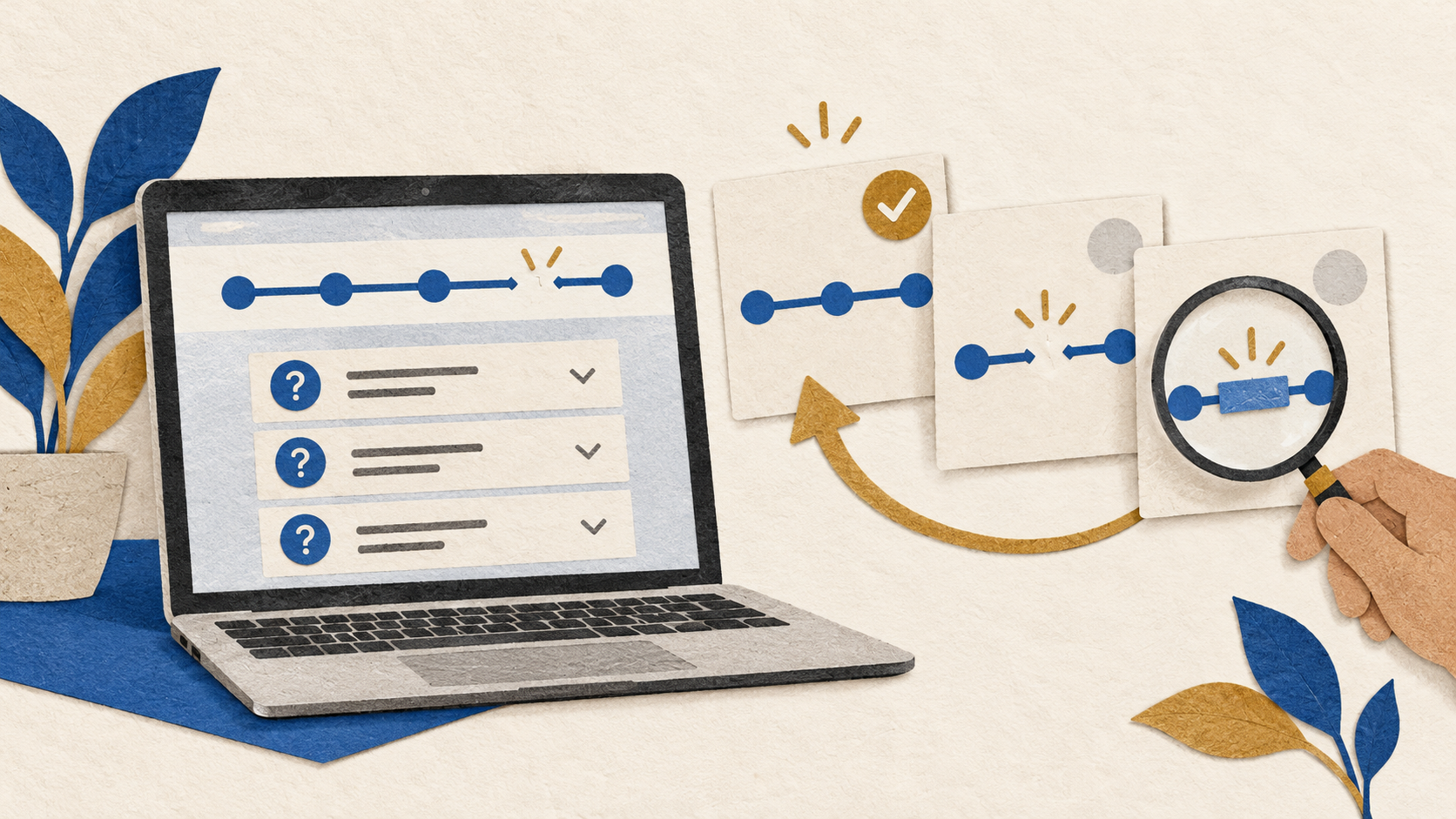
A Change Broke Your AI-Built Website: Fix or Revert?
A small website change can break a link that worked yesterday. Follow a fictional club FAQ problem from failure record to investigation, choose a narrow repair or an earlier saved version, and check the behaviors you need to preserve. Includes original prompts, a hands-on teaching demo, and an editable repair-or-revert worksheet.

7 Small Tools You Can Build With AI for a Local Business
Try seven miniature tools before choosing your first AI project: opening hours, job prep, approved answers, a sample service-area check, inquiry fields, a fictional price range and a visit-request plan. See the exact rules, use a short build prompt, and check one useful result with the editable worksheet.

HighLevel vs. ClickFunnels for Affiliate Marketing: One Small Project
Compare HighLevel and ClickFunnels using the same two-page lesson journey, not a giant feature list. Map the signup and emails, count a worked monthly sending budget, check the current contact and workspace limits, then use a neutral worksheet to choose what fits your first project.

Start an Affiliate Blog With One Useful Tutorial
Turn one narrow reader question into an affiliate article worth keeping. Follow a fictional cleaning-form example, copy the article outline, improve a vague answer, and use the evidence and preview checks before making a product recommendation.

HighLevel Voice AI Cost: Work Out Your Call Bill
See where an AI call bill comes from, follow one complete monthly example, and change the numbers in a planner that keeps AI, phone and platform costs separate. Take the worksheet into your own account to compare expected and observed charges.

My Skool and HighLevel Affiliate Setup: A Beginner Walkthrough
Follow the full route from a useful lesson to a classroom and an optional software recommendation. Watch my real walkthrough, see what must become yours, and use the worksheet to check every handoff before inviting people.
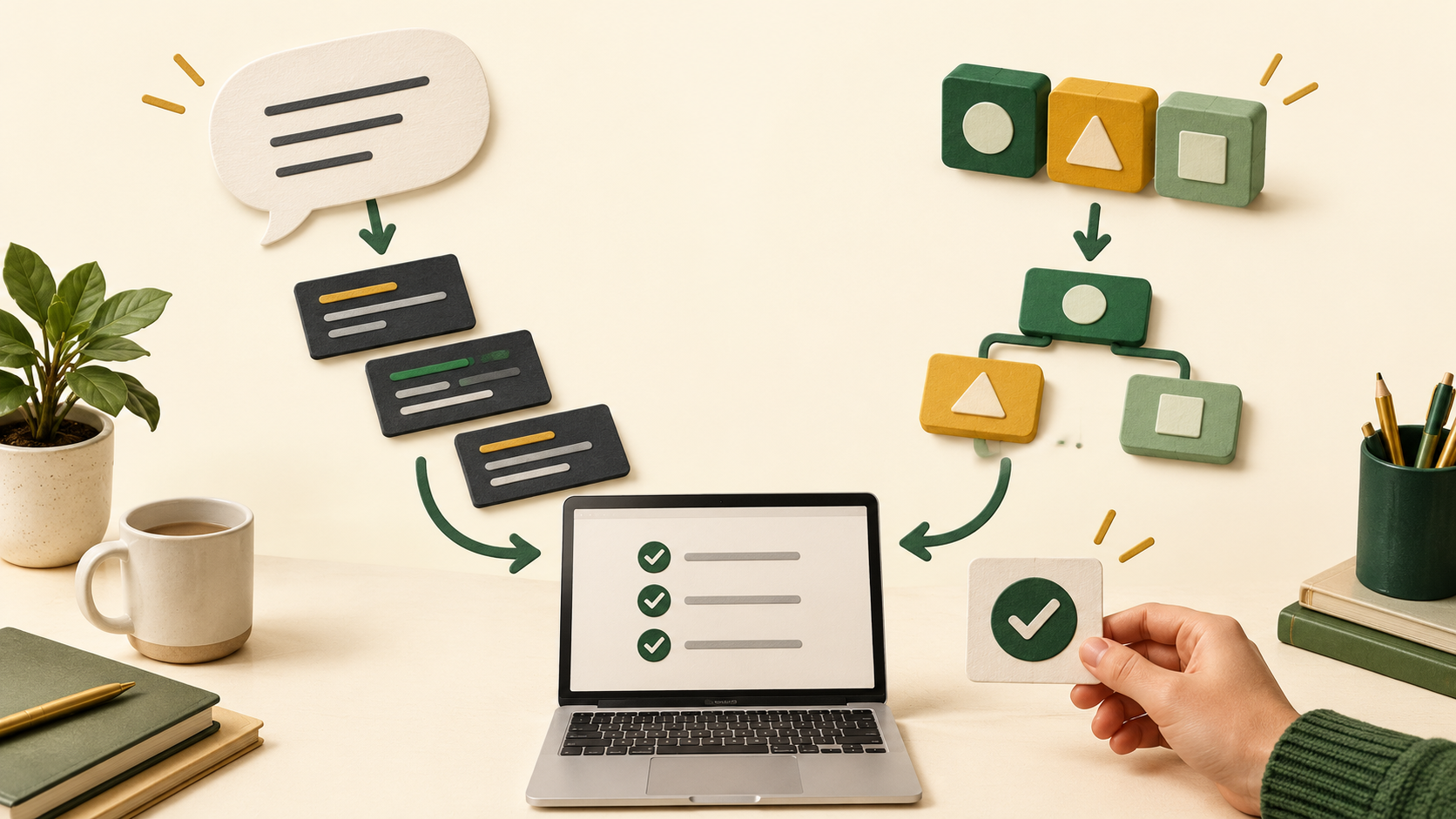
Vibe Coding vs. No-Code: Which Fits Your First Small Project?
Compare AI-assisted coding and visual no-code building through one tiny art-class checklist. Try the example, change a rule, and learn what to check before choosing your first tool. Includes two build plans and an editable decision worksheet.

AI Receptionist vs. Answering Service: Which Jobs Can Each Handle?
Both AI and people can answer the phone. The useful choice depends on what happens next. Follow four fictional calls, from a service-area question to an unhappy customer, compare the limits, and build a simple plan for routine requests, bookings, and human help. Includes an editable decision worksheet.

What Does an AI-Built Website Really Cost? A Beginner Budget
A free website preview is only one part of the decision. Separate the cost to build, keep the site online, and change it later. Compare dated official price examples, follow a fictional cleaning-business budget, and use the worksheet to see the first payment, first-year base, and renewal costs before buying.

Turn One YouTube Lesson Into Five Useful Facebook Posts
Start with a video you already own, find the part a beginner can use, and turn it into five different posts. This guide walks through a real supplied transcript, shows the finished editorial examples, and gives you a reusable drafting prompt. Use the source check and worksheet to keep the meaning, remove unsupported claims, and choose a next step that fits the lesson.

How the HighLevel Affiliate Program Works: Links, Rules, and Payouts
Understand the HighLevel affiliate program before sharing your first link. Follow a simple path from a useful recommendation to a qualified purchase and an actual payout. Learn where to find your own link, why trials are different from commissions, what the current rules require, and how to explain your relationship honestly. Includes a clearly labeled commission example and a fill-in plan for one helpful lesson, one audience, and one next step.

Build a Simple Quote Calculator With AI: A Beginner Walkthrough
Make your first AI project small enough to explain. Try a working cleaning estimate calculator, copy the build request, and check the answers with a simple test sheet. You will leave with a project brief and a single-file example you can open locally, without adding accounts, bookings or payments.

GoHighLevel Pricing for Beginners: What Will You Really Pay?
Choose a plan for the business you want to build, then see what sits outside the monthly price. Compare annual payments, understand AI fees, and use a simple bill planner that keeps Wallet deposits separate from usage. Includes worked examples and a worksheet for your first paid month.
What Should a Monthly AI Service Include? A Simple Checklist
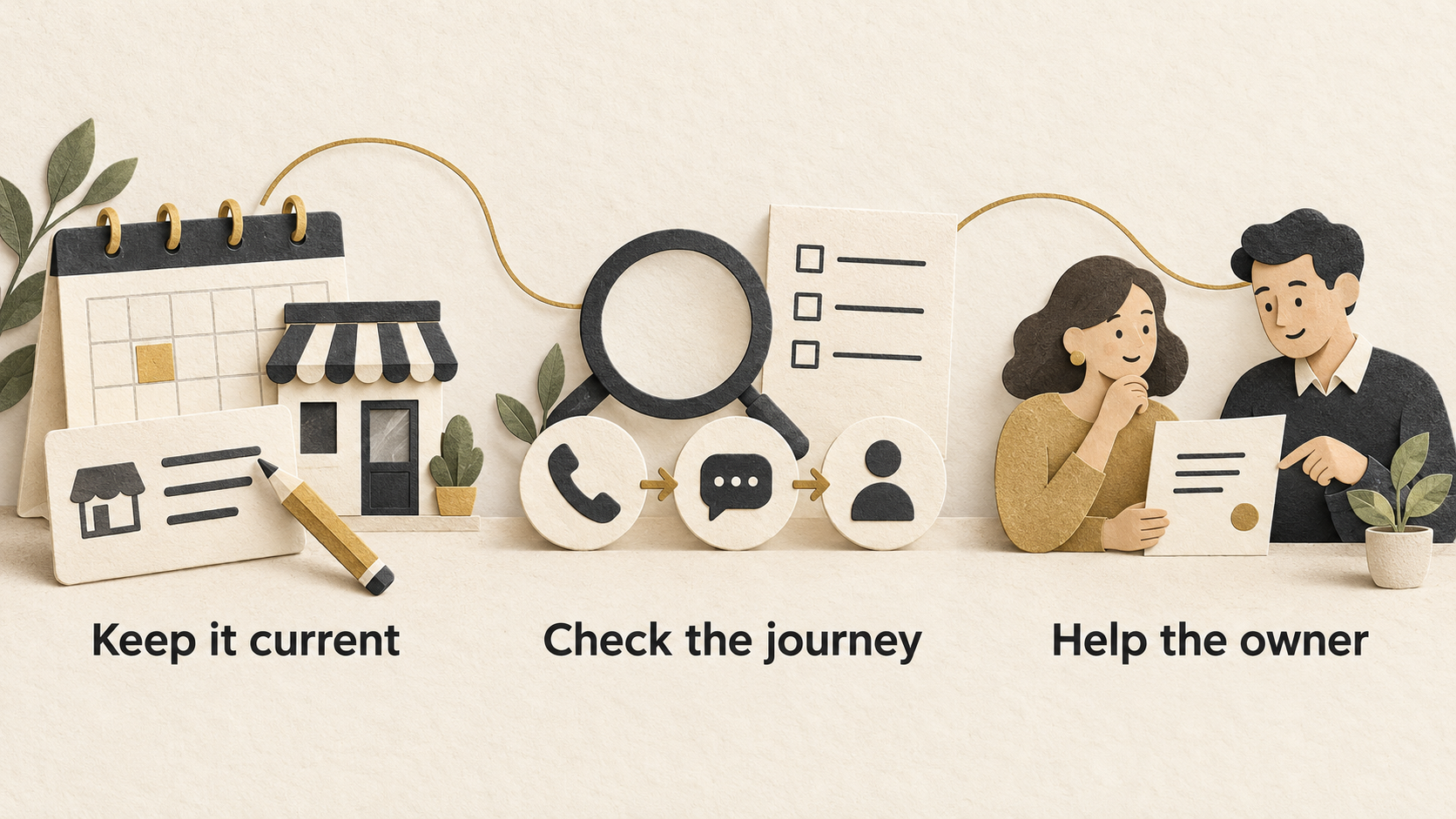
See what a business owner can receive from a monthly AI service after the first setup. This guide turns ongoing support into a clear plan: keep information current, check the customer journey, review costs, handle agreed changes, and send a short, useful monthly update.
GoHighLevel Snapshots: Create and Load Your First Template
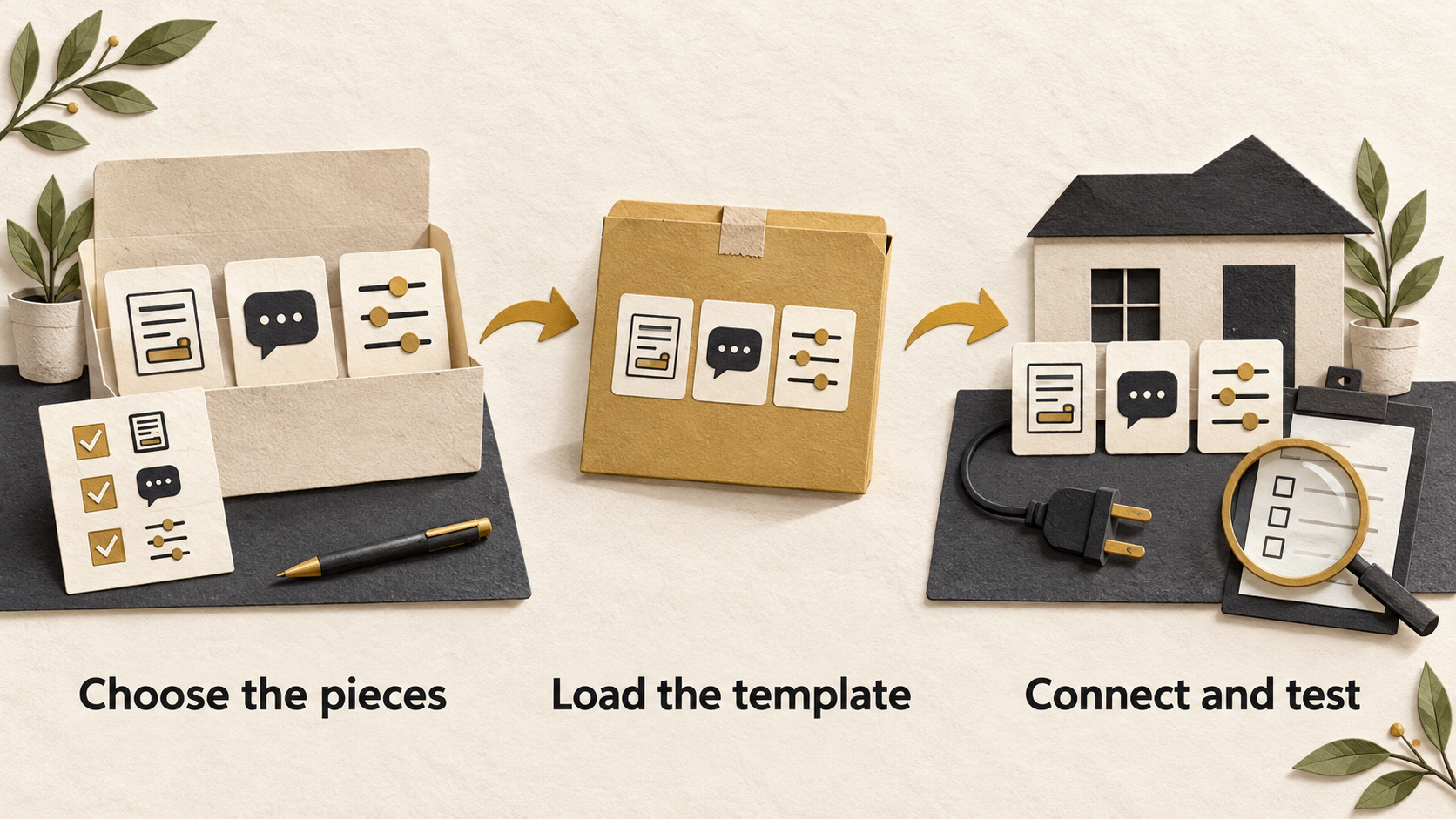
Reuse the useful pieces of a HighLevel setup without guessing what each button does. Learn when to create, import, load, refresh, or push a Snapshot, then use the packing list to check the right pieces, connections, and customer journey in the destination workspace.
GoHighLevel Missed Call Text Back: Setup and Test Guide
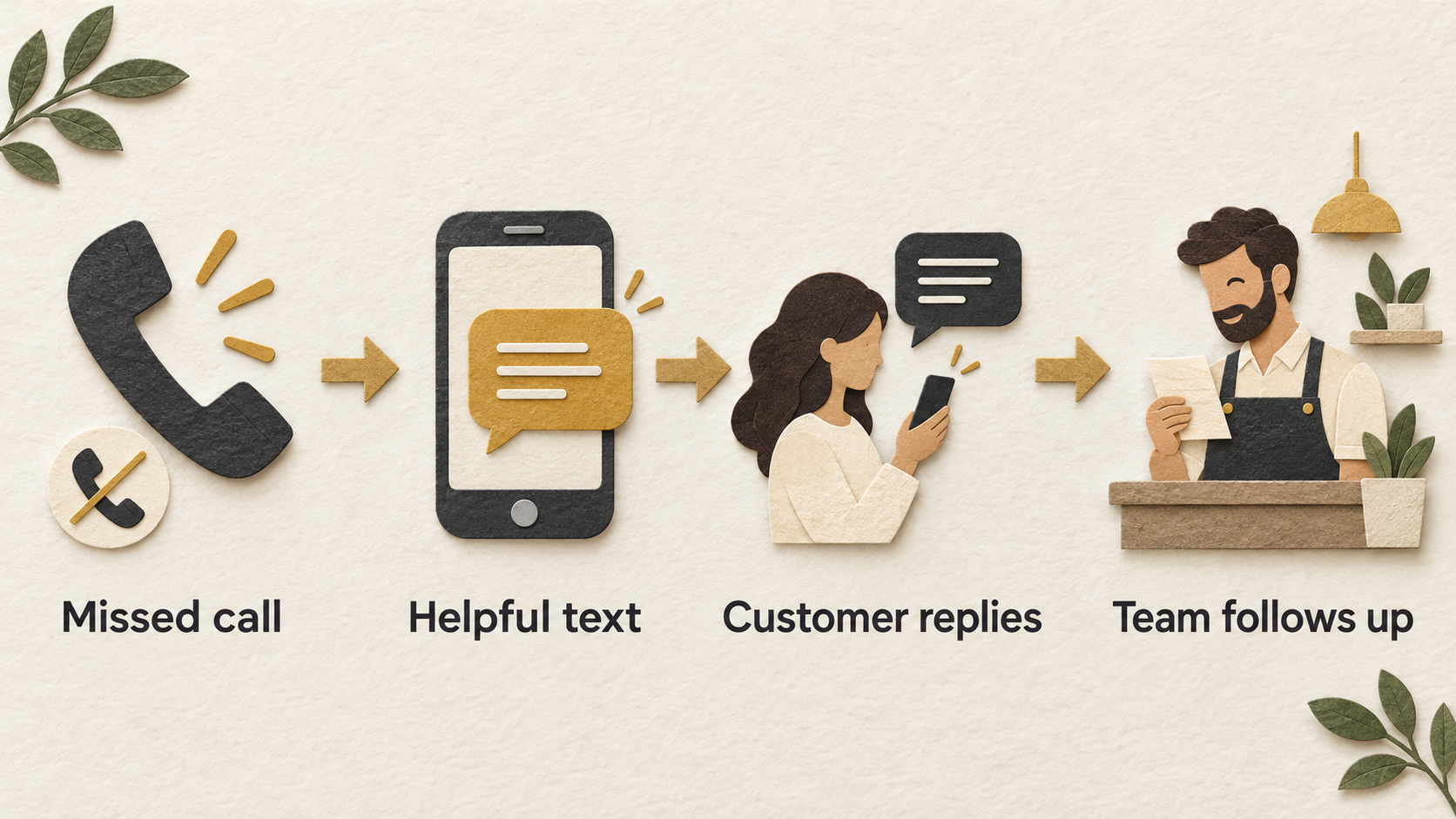
Give missed callers a simple way to reply. This guide walks through choosing the business number, writing a helpful text, turning on the setting, and checking what happens next. Use the test worksheet to confirm that replies reach the person who will actually help.

How to Test AI Call Answering Before a Business Uses It
Before showing an owner your AI call helper, make sure the customer request really arrives. Use twelve practical test scenarios, a completed example, and a downloadable log to check answers, callback details, bookings, and the handoff to a person. Start with one ordinary call.

Can You Reuse the Same AI Setup for Another Business?
Build a useful starting point once, then adapt it for the next business. See what you can reuse, which details must change, and how to check the new version. A cleaning-to-repair example and a handover checklist make the repeatable process easy to picture.

How Much Should You Charge for AI Call Answering?
An impressive price in a video does not tell you what to charge. Build your price around one clear job, the software and call costs, and the time you spend helping the owner. Work through a normal month, a busy month, and a plain-English quote you can explain.

How Does AI Call Answering Work? A Beginner’s Guide
A customer calls while the owner is busy. AI asks what they need, collects the right details, and passes the request to the team. Follow one simple example, see what you must set up, and learn the difference between taking a request and confirming an appointment.

What to Say in Your First Message to a Business Owner
What do you say when you have never sold an AI service before? Use one real observation, one small idea, and one easy question. Adapt the beginner message, prepare a short example you can show, and use the reply scripts to keep the conversation simple.

How to Find Your First 10 Local Businesses to Contact
You do not need a list of thousands to begin. Find ten businesses you understand, notice one useful detail about each, and write a question worth asking the owner. Follow the research process, see a completed example, and use the ten-row sheet to build your own first list.

What AI Services Can You Sell to Local Businesses? 5 Simple Examples
Answer a call. Collect a clearer request. Help someone choose an appointment. These are business jobs an owner can understand and pay you to set up. Compare five simple services, see what each includes, and leave with one clear idea you can explain in a sentence.

What Does It Really Cost to Start an AI Service Business?
What will you actually pay before your first client? Separate the $27 course from software, calls, and your time. Use a worked first-month budget and a simple calculator to see which costs continue, when charges start, and what a busy client could cost to serve.
AI and business tools
The tools I use, what they do and how to pick one.
What Are the Best Analytics Tools for Affiliate Marketing?
Know what to measure before choosing another analytics tool. This guide introduces Google Analytics, Voluum, Hotjar, AnyTrack, and iSpionage, and explains the kinds of visitor behavior, campaign activity, and performance questions each can help an affiliate marketer investigate.
Top 5 Best Affiliate Marketing Tools for Beginners
Understand five tools discussed in this beginner affiliate guide, including Funnel Freedom, Flippa, ShareASale, SEMrush, and Yoast SEO. See which job each is intended to help with, from setting up a funnel to researching opportunities and improving a website.
The Best Sales Funnel Software: Funnel Freedom Top Features
See how Funnel Freedom brings funnel pages, email follow-up, and affiliate offers into one workflow. This feature guide explains the main parts of the software and the visitor journey they support, helping you understand what the platform is intended to do.
The BEST Free Tools to Skyrocket Your Affiliate Marketing
Build a clearer picture of the tools an affiliate business uses. This guide groups options by the job they do, pages, content, social media, search, and video, so you can work out what you need for your next step before adding more software.

The Best AI Tools for Exploding Your Affiliate Marketing
Discover the specific jobs covered by this AI tools guide: editing video, creating content, building pages, and summarizing research. Explore the demonstrations and tool examples to decide which part of your affiliate workflow you want help with first.
How To Use ClickFunnels for Affiliate Marketing
See where ClickFunnels fits into an affiliate marketing business. Explore landing pages, follow-up emails, customer journeys, and common setup mistakes, with a walkthrough of how the guide connects these pieces so a visitor can move from interest to a relevant product.

How Does Offerlab Work? The Complete Guide for Beginners & Experts To Make Money using “Collaborations”
Understand how OfferLab brings products and partners together in a shared offer. This beginner guide walks through collaborations, offer stacking, product listings, and affiliate commissions, with video explanations of the process for both people promoting products and people creating them.
Content and traffic
Get seen with content, email and video, with or without showing your face.
Top Webinar Strategies for Affiliate Marketing Success
Take people from a useful lesson to a relevant recommendation with a webinar. This guide covers choosing an audience, planning the format, teaching clearly, and following up, with examples to help you understand how a webinar fits an affiliate marketing business.
Top Free Traffic Sources to Boost Your Affiliate Marketing in 2024
Explore the organic traffic approaches covered in this guide, including YouTube Shorts, Instagram, and email. See how the content and follow-up pieces connect so you can choose a channel, publish useful information, and give interested people somewhere relevant to go next.
The Ultimate Step-by-Step Guide to Building an Email List for Affiliate Marketing
Follow an email subscriber’s journey from a useful free resource to a welcome sequence. This step-by-step guide covers choosing a lead magnet, creating a signup page, bringing visitors to it, organizing subscribers, and sending follow-up messages with a clear purpose.
The Ultimate Guide to Making Money on TikTok without Showing Your Face
Explore ways to create TikTok content while staying off camera. This guide walks through setting up an account, choosing a content approach, understanding audience interest, and exploring monetization options, with practical examples of what a faceless account can publish.
Lead Magnets for Affiliate Marketing: Your Guide to Generating Leads
Give people a useful reason to join your email list. Learn what a lead magnet is, how to choose a topic, and why a short course can work as a first step. Then explore how the signup page and follow-up emails connect.
How to Succeed in Affiliate Marketing without Showing Your Face
Prefer to stay off camera? Explore affiliate marketing approaches built around product reviews, faceless videos, Instagram, and TikTok. The guide shows different ways to share useful information and recommend products while helping you choose a content format you can keep creating.
How to Make Money on YouTube with Faceless Shorts
Explore the different ways a faceless Shorts channel can support a business. This guide covers YouTube advertising, sponsorships, affiliate recommendations, products, and memberships, helping you understand the difference between earning from a platform and using content to introduce your own offers.

How to Crush Mobile Affiliate Marketing
See your affiliate content through a phone user’s eyes. This guide walks through mobile page design, readable content, simple navigation, and purchase steps, with practical ideas for making the trip from a social post to your website easier to follow.

How to Crush Affiliate Marketing with NO Followers
You do not need an existing audience to understand the first steps of affiliate marketing. Explore the approaches in this guide, including profile links, traffic, email lists, and related offers, then choose a starting path that fits how you want to create content.
How to Create High-Converting Content for Affiliate Marketing
Turn a customer’s question into useful affiliate content. This guide covers understanding your audience, building trust, telling a clear story, and organizing a recommendation. Explore examples and video lessons to help your content give readers a reason to take the next step.

How to Create a Highly Profitable Affiliate Marketing Funnel in One Sitting
Follow a walkthrough of building an affiliate marketing funnel with Funnel Freedom. See how the guide connects a trial account, your affiliate links, a landing page, and follow-up steps, so you understand what visitors see and where they go next.
ChatGPT for Cold Email: Building Your Affiliate Marketing List the Easy Way
See how ChatGPT can help draft a first outreach email, personalize a message, and write a follow-up. The guide covers the tools and message examples behind an outreach workflow so you can understand each step before putting it into practice.

Boost Your Affiliate Income with Faceless AI YouTube Shorts
Follow the process of creating faceless YouTube Shorts with help from AI. Explore choosing a topic, writing a script, adding a voice-over, editing the video, and connecting useful content with a relevant affiliate offer, without appearing on camera yourself.
Affiliate Marketing with YouTube Ads: The Top Techniques for 2024
Learn how this guide approaches YouTube advertising for affiliate marketing. It walks through ad formats, audience targeting, video creative, and the path from an ad to a landing page, with examples to help you understand how the pieces fit together.
Affiliate marketing basics
How affiliate marketing works and how to start.

Top High Ticket Affiliate Marketing Examples: $1,000+ Per Sale
What makes an affiliate product high-ticket? This guide explains the model, gives examples, and covers choosing and promoting higher-priced products. Explore the factors beyond the headline commission, including the audience, the offer, and the work involved in making a recommendation.

The Affiliate Stacking Ecosystem: How To Earn More with Less Effort
See how related products can fit together in one affiliate customer journey. This guide explains the affiliate stacking idea, how a core offer connects to supporting tools, and where follow-up fits, so you can understand the process beyond sharing separate links.
Is Master Resell Rights a Sustainable Business Model? An In-Depth Look
What do Master Resell Rights let you do, and what makes the model difficult? This guide explains the licensing idea, possible benefits, challenges, and course examples. Use the video overview and written breakdown to understand what you would actually be buying and selling.
How to Start High Ticket Affiliate Marketing Today: A Comprehensive Guide
Understand the high-ticket affiliate model before choosing a program. This guide walks through the basics, example niches, product selection, content, and funnels. Use it to see how a higher-priced recommendation fits into a wider business instead of focusing only on commission size.

How to Find High Ticket Affiliate Products
Learn where to look for higher-priced affiliate products and how to research them. Explore affiliate networks, direct brand relationships, competitor research, and communities, then think through whether a product genuinely fits the people you want to help.
How to Become an Affiliate Marketer: A Detailed 5-Step Guide
Work through five building blocks of an affiliate business: choosing programs, reaching an audience, creating landing pages, publishing content, and following up. Each step explains its role so you can see the whole customer journey before getting lost in individual tools.
How Does Affiliate Marketing Work
New to affiliate marketing? Start with the basics: recommend a product, share your tracking link, and understand how a commission works. Then explore choosing a topic, finding programs, creating useful content, and connecting your first recommendation to the right audience.
Choosing the Best Done-For-You Affiliate Marketing Business
What does a done-for-you affiliate business actually include? This guide explains the model, compares who it may suit, and walks through the parts of a funnel. Understand what is provided and what you still need to learn, manage, and promote.
43 Shocking Affiliate Marketing Statistics You Need to Know in 2024
A collection of affiliate marketing statistics originally discussed in 2024, covering the industry, marketing tools, AI, consumer trust, and traffic. Explore the charts and explanations to understand the context behind the figures and the questions they raise for a business.
11 Emerging Affiliate Marketing Trends You Can’t Afford to Miss
Explore eleven developments covered in this affiliate marketing guide, from AI tools and changing customer habits to partnerships and different traffic sources. Use the ideas to review how you create content, recommend products, and build relationships with your audience.
Course and book reviews
Honest looks at courses and books before you buy.
PDF Farming 4.0 Review: I Bought Every Upgrade So You Don’t Have To!
Go inside the PDF Farming 4.0 offer covered in this review, including the core course, upgrades, and the short-video approach to selling PDFs. Explore the lesson breakdown and video review to understand how the offer’s different pieces are intended to work together.
Ultimate Branding Course Review: Is UBC Worth It? Read Before Buying!
Explore the Ultimate Branding Course as covered in this review. See the module breakdown, price discussion, branding lessons, selling model, and main pros and cons, with a video review that helps you understand what the version discussed was designed to teach.
The Roadmap 3.0 Review: Read First Before You Buy
Take a guided look at The Roadmap 3.0 course reviewed here. Explore its lesson stages, pricing discussion, resale model, and pros and cons, with a video walkthrough that explains the version covered so you can understand the offer in context.
Legendary Marketer Review: My HONEST Review of the 5-day Challenge
Explore the Legendary Marketer five-day challenge covered in this review. Walk through its lessons on digital marketing, content, branding, and starting a business, with a video review and a breakdown of what the version discussed here was designed to teach.
Digital Wealth Academy Review: An HONEST Look at the Pros and Cons
Take a closer look at the Digital Wealth Academy course discussed in this review. Explore its lessons, community, digital product training, and resale model as described at the time, with a video walkthrough and an explanation of the main pros and cons.

$100 Million Dollar Money Models Complete Review + Super Bonus
See how Alex Hormozi’s Money Models connects attraction offers, upsells, downsells, and recurring offers. This review walks through the four parts, explains where each fits in the customer journey, and helps you think through the next offer in your own business.
Get one AI build idea each week
New guides and one simple idea you can try. Short, clear and free.
One email a week. Unsubscribe any time.